
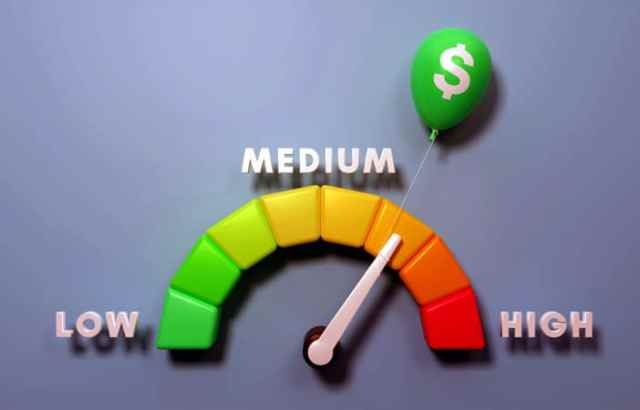

Consumers are increasingly relying on credit cards to make ends meet, but their credit scores hasn’t suffered.
Even as credit card balances for Americans surpassed $1 trillion for the first time ever, the national average credit score rose two points from a year ago to reach a new high of 718, according to a report from FICO, developer of one of the scores most widely used by lenders. FICO scores range from 300 to 850.
“Consumer credit health remains solid,” said Ethan Dornhelm, FICO’s vice president of scores and predictive analytics.
As higher prices weighed on most Americans’ financial standing, consumers, as a whole, have fallen deeper in debt, causing an increase in credit card balances and an uptick in missed payments.
Also read | HOW TO CALCULATE CREDIT CARD INTEREST?
As of April, the average credit card utilization was 34%, up from 31% a year earlier.
Your utilization rate, the ratio of debt to total credit, is one of the factors that can influence your score. Credit experts generally advise borrowers to keep revolving debt below 30% of their available credit to limit the effect that high balances can have.
Still, delinquency rates are low by historical standards, said Ted Rossman, senior industry analyst at Bankrate. “People are working and keeping up with their bills.
“Even if they are not saving more, they are keeping up, for the most part.”
A strong labor market and cooling inflation have helped offset high interest rates and consumer prices, FICO found. So has the removal of certain medical collections data from consumer credit files.
However, “FICO scores are a lagging, not a leading, indicator,” Dornhelm said. The possibility of a recession coupled with rising unemployment could weigh on scores going forward, he added.
Experts also expect the resumption of student loan payments to take a bite out of household budgets, while elevated gas prices and geopolitical tensions are hitting confidence levels.
For more information, click here.